

Material
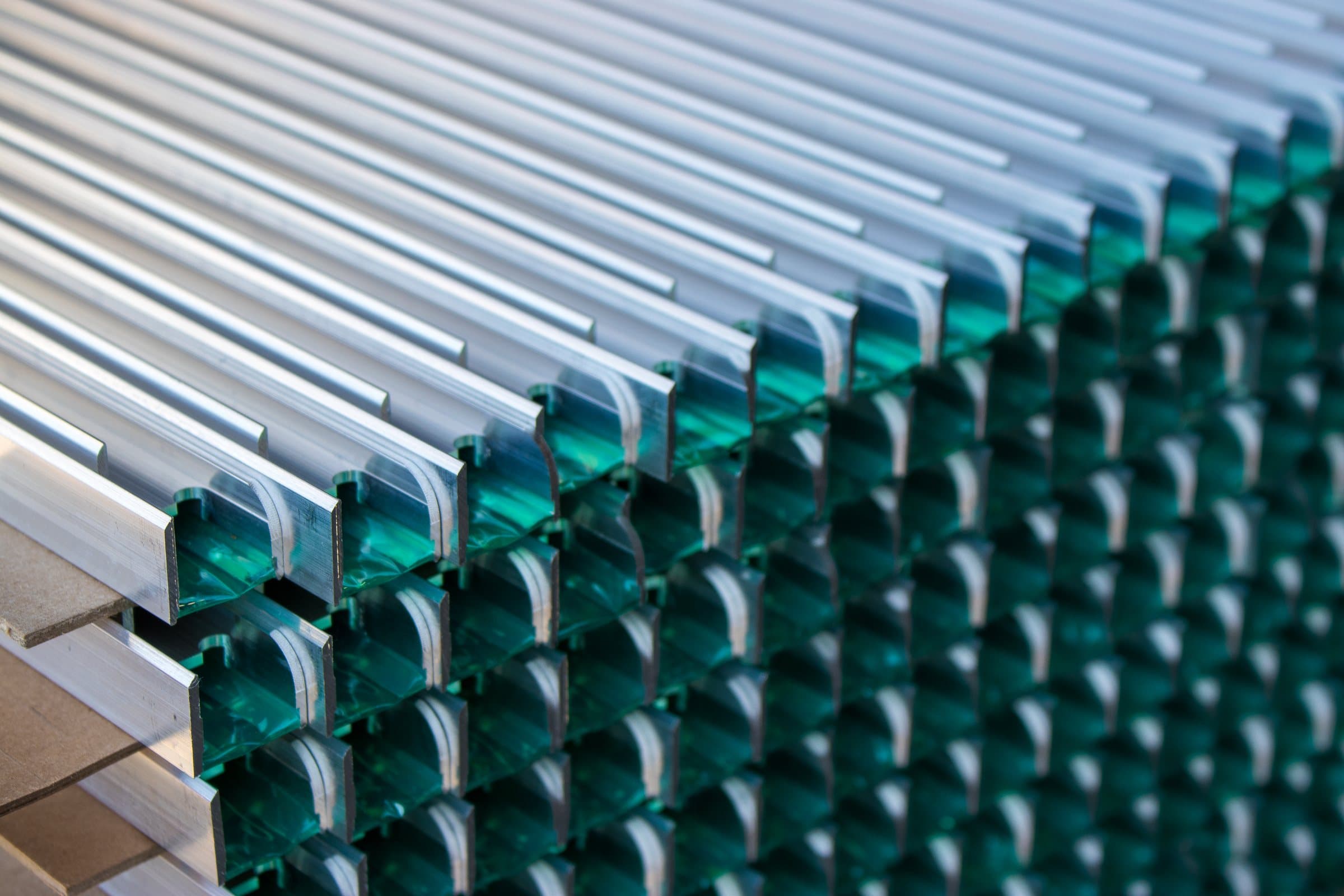
Aluminum Alloys
When to specify it
- 01Lighter than steel with good natural corrosion resistance.
- 02Steel is usually stronger; aluminum is recommended where weight matters.
- 03Welded on Right's MIG and TIG processes.
Processes for aluminum
- Tube FormingMandrel Tube Bending2 pull-type mandrel tube benders
- Tube Forming3D Bending — Tube & Channel3D bending of tubes and channels
- Sheet MetalCNC Turret Punching3 Wiedemann C2500 & C3000 CNC turret punch machines
- Sheet MetalCNC Press Brake Forming4 Cincinnati CNC press brakes — 60, 90 and 135 ton
- WeldingTIG WeldingTIG welding on steel, stainless steel and aluminum alloys
- WeldingMIG WeldingMIG welding on steel, stainless steel and aluminum alloys
- Secondary OperationsCNC Machining3 HAAS CNC vertical mills
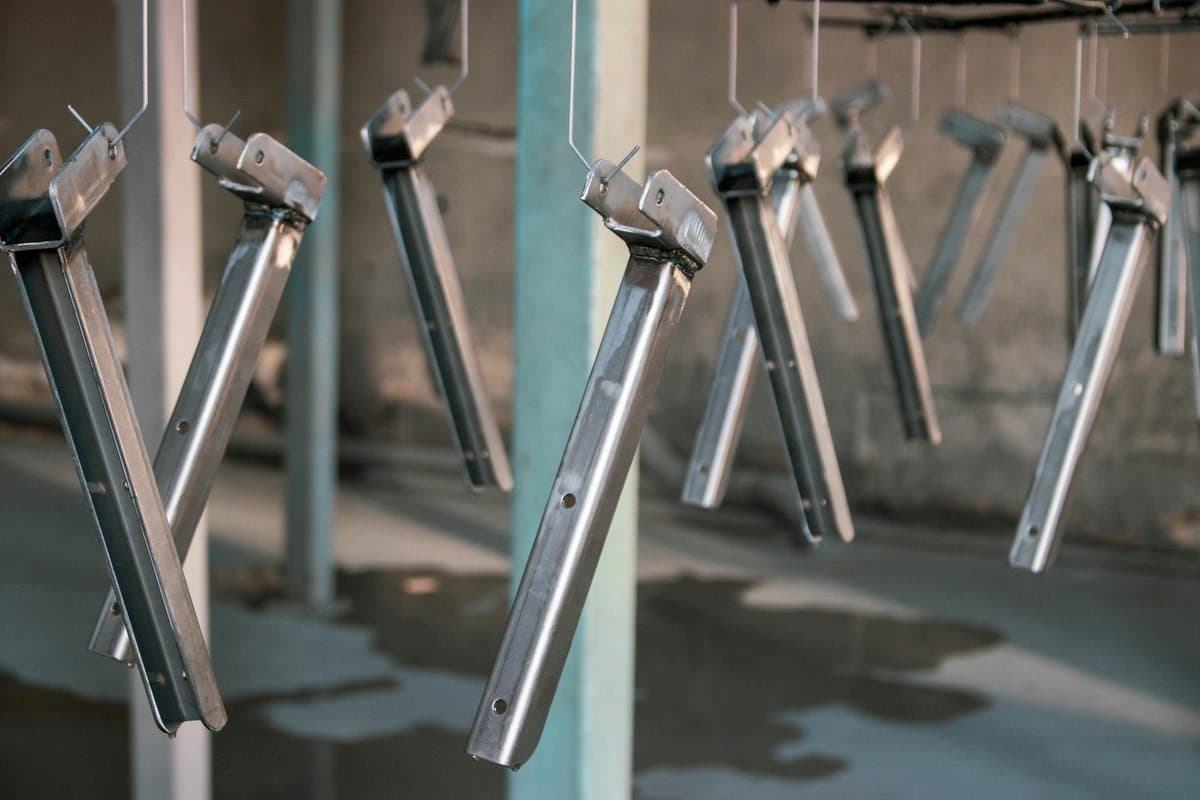
- FinishingPowder Coating & CerakoteAutomatic conveyor line for high-volume products
Sheet, tube & profile
Sheet metal
Sheared, punched and press-brake formed
Round tube
Identified by outside diameter + wall (gauge)
Pipe
Identified by inside diameter + wall (schedule)
Square tube
Covered by the 100+ die library
Rectangular tube
Custom extruded shapes
Material FAQs
Is aluminum stronger than steel?
Steel is usually stronger, but aluminum is lighter and resists corrosion well. Right recommends aluminum where weight matters and steel for heavy-duty strength.
How do I choose a metal for my project?
It depends on how the part will be used, the stress it handles and the finish it needs. Right's team looks at strength, corrosion resistance, weight and weldability to match the metal to the job.
Do you stock material?
Right keeps a consistent inventory to support fast turnaround and scalable production, and checks material compatibility for both function and finish.
Start a project
Have a drawing? Let's build it.
Send drawings, CAD or a description. Right's team reviews your specifications and returns a detailed quote and timeline.